Healthcare
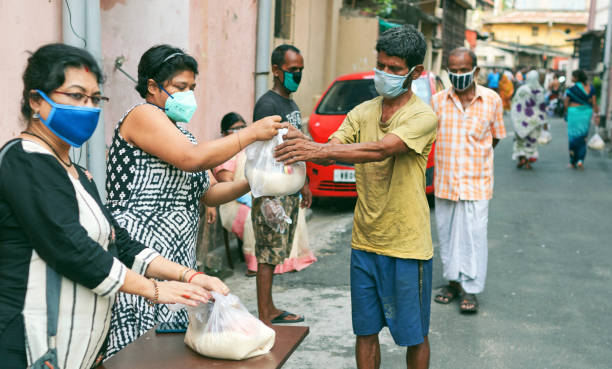
Access to healthcare is a basic human right, yet many individuals in underserved communities lack the resources and knowledge necessary to maintain their health. Our Healthcare Initiative is designed to bridge the gap by providing medical aid, preventive care, and healthcare education to marginalized populations.
Focus Areas
Our Women Empowerment Initiative has already made a significant impact by:
Creating financial independence: Hundreds of women have gained skills, started their own businesses, and become self-reliant, lifting their families out of poverty.Improving educational outcomes: Through our support, girls have been able to stay in school longer, pursue higher education, and build brighter futures.Promoting health and well-being: Women in our communities are healthier, more informed about their reproductive rights, and better equipped to make decisions about their health.Building leaders: Many women who have participated in our leadership programs have gone on to become community leaders, advocating for change and supporting other women in their communities.Medical Aid and Distribution of Essential Medications Many individuals in rural and low-income urban areas cannot afford basic medications or healthcare services. Our healthcare initiative provides:
- Free distribution of medications: Essential medicines for common conditions such as infections, pain, diabetes, and hypertension.
- First aid kits: Supplying families and community centers with first aid kits that include antiseptics, bandages, and other essential items.
- Health camps: Organizing regular health camps where qualified doctors and medical professionals provide free consultations, diagnoses, and prescriptions.
Preventive Healthcare and Awareness Campaigns Prevention is key to building healthier communities. Our initiative focuses on educating people about preventive measures, including:
- Hygiene and sanitation education: Conducting workshops on hand hygiene, safe drinking water, waste management, and maintaining a clean living environment.
- Vaccination drives: Partnering with healthcare providers to offer free or low-cost vaccinations, especially for children, to protect against preventable diseases.
- Nutrition awareness: Educating communities on the importance of balanced nutrition, especially for growing children and pregnant women, and distributing supplements and vitamins where necessary.
Women’s and Children’s Health Special emphasis is placed on the healthcare needs of women and children, who are often the most vulnerable:
- Maternal health: Providing pregnant women with prenatal check-ups, supplements like iron and folic acid, and guidance on safe childbirth practices.
- Child health: Regular health check-ups for children to monitor growth and development, provide vaccinations, and ensure they receive the care needed to thrive.
- Menstrual health awareness: Educating young girls and women on menstrual hygiene management and distributing sanitary pads and hygiene kits to ensure they maintain health and dignity.